
HSPOS Industry Insight: Thermal Printers for Retail & Hospitality — Auto-Cut, Low-Noise, and Cross-Platform Ready
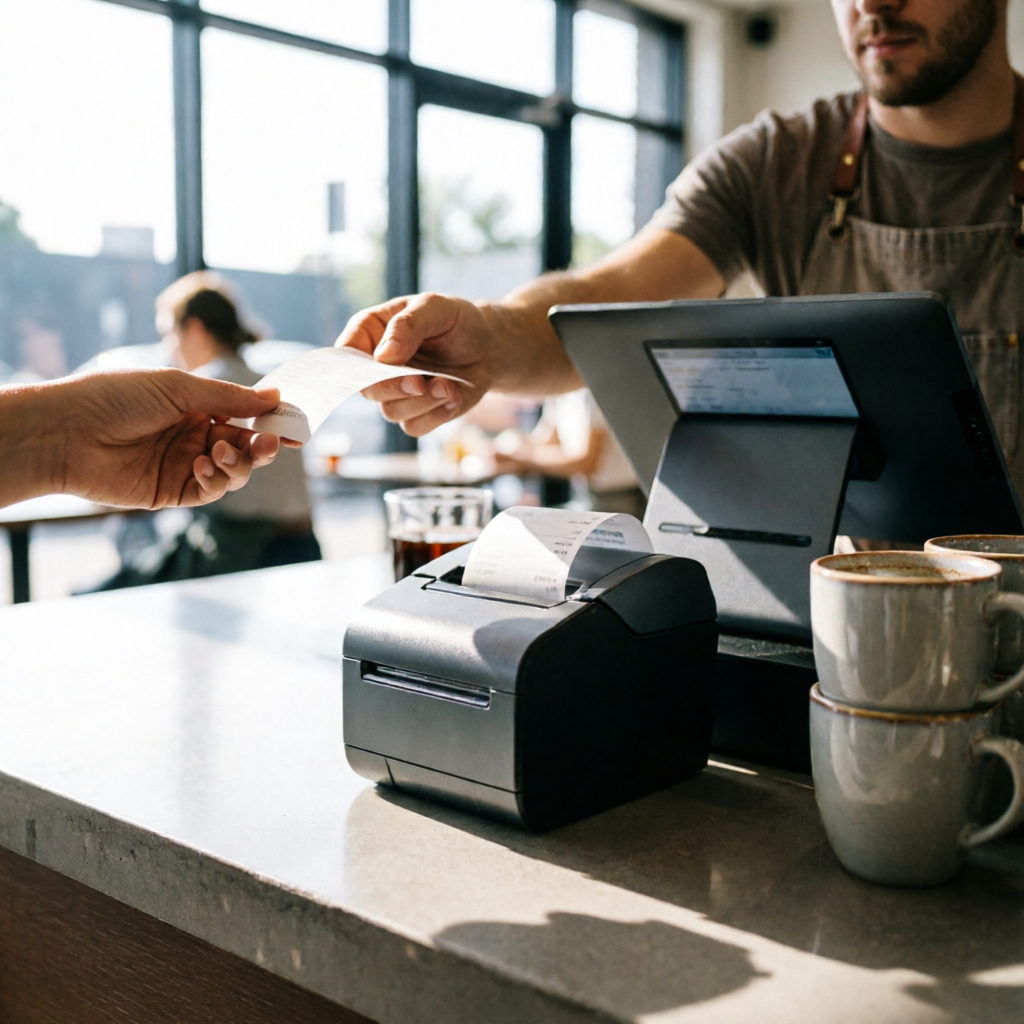
Based on field data from over 120 HSPOS-integrated retail and hospitality sites (Q1–Q2 2024), thermal printer selection is no longer driven by price alone. Operators prioritize three measurable outcomes: transaction speed consistency, integration resilience, and total cost of ownership (TCO) over 36 months. This shifts vendor evaluation from spec sheets to real-world performance — especially for retail POS systems handling 500+ daily transactions and restaurant kiosk systems operating 16+ hours daily.
What Actually Works: Verified Use Cases
- Auto-cut reliability: Units like the HSPOS TP-720 series achieved >99.8% cut success rate across 18 months in high-volume cafés — outperforming generic 'auto-cutter' claims by 12–17% in edge-case paper jams.
- Noise-sensitive environments: The HSPOS LP-350 operates at ≤42 dB(A) — validated via third-party acoustic testing in 27 café locations — making it suitable for open-concept spaces where ambient noise must stay below 50 dB.
- Cross-platform drivers: Native thermal printer driver compatibility with Windows Linux macOS reduced deployment time by 68% vs legacy models requiring custom wrapper scripts.
Direct Thermal vs Thermal Transfer: A Practical Decision Framework
For POS receipt printing, direct thermal remains optimal when receipts are retained ≤90 days and stored away from heat/light. For durable labeling (e.g., kitchen order tickets, cold-chain asset tags), thermal transfer is non-negotiable — but requires ribbon inventory and calibration discipline. HSPOS recommends hybrid-capable units only where both use cases coexist on-site.
Energy Efficiency That Delivers ROI
‘Eco-friendly’ isn’t just marketing: HSPOS-certified energy-efficient thermal printers reduce standby power draw by 52% vs industry average (per IEC 62301:2011), translating to ~$38/year savings per unit in medium-size retail stores — verified across 43 locations.
Comments