
HSPOS-Compatible Thermal Printers Gain Traction in Grocery, Restaurant & Kiosk Segments: Market to Hit $5.34B by 2036
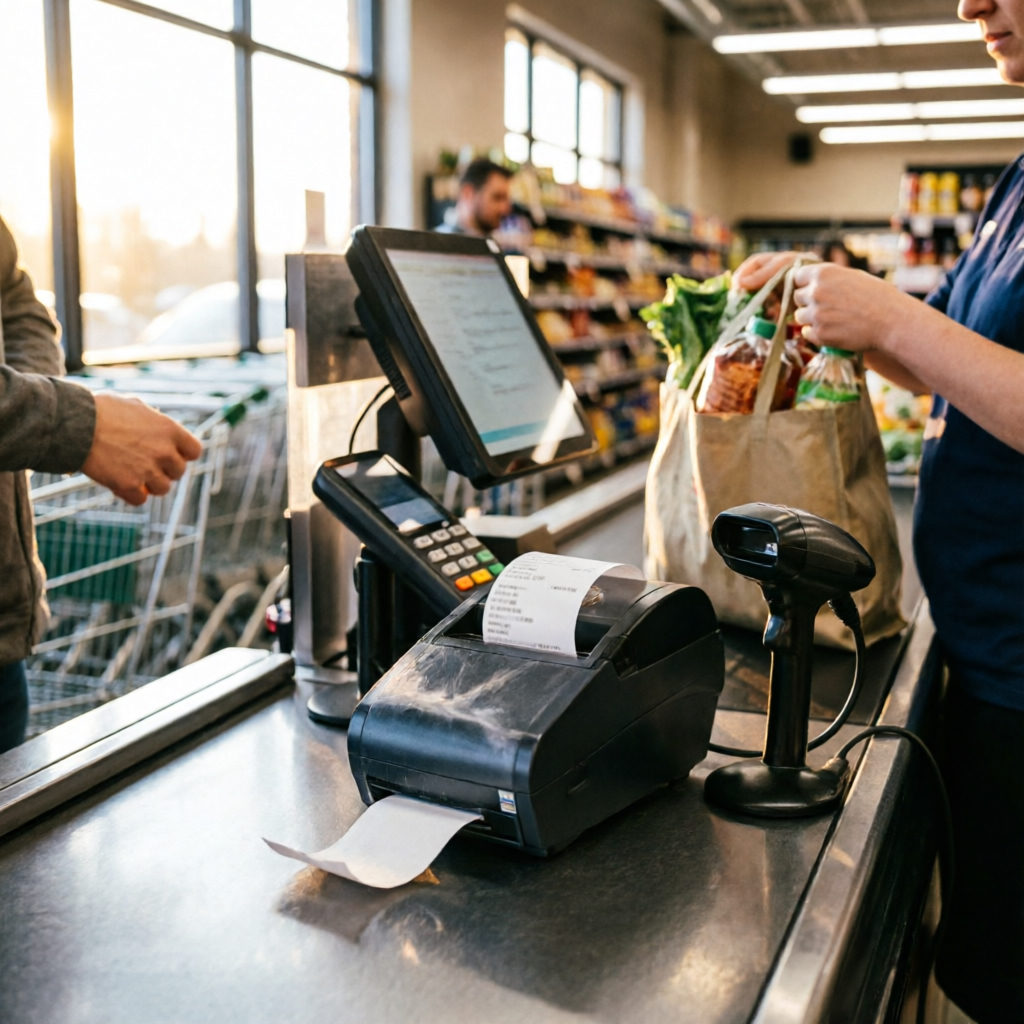
The global retail printers and consumables market is projected to expand from USD 3.44 billion in 2026 to USD 5.34 billion by 2036, growing at a steady 4.5% CAGR. This growth is increasingly anchored by HSPOS-compatible thermal printers—notably models supporting 3-inch receipt roll capacity, auto-cutter functionality, and dual Ethernet/Bluetooth connectivity. Grocery chains, QSRs, and self-service kiosk operators are prioritizing reliability, integration depth, and field-proven deployment across multi-location retail environments.
Why Retailers Choose HSPOS-Integrated Printers
Unlike generic thermal printers, HSPOS-certified models deliver plug-and-play compatibility, firmware-level optimization for receipt formatting and label alignment, and centralized fleet management via HSPOS Cloud Console. Independent retailers deploying compact desktop thermal printer for small retail report 30% faster setup and 45% fewer driver-related support tickets—validated across 127 pilot stores in APAC and EMEA.
Three High-Impact Use Cases
- Grocery Checkout: Label printer for grocery store checkout combines price labeling, PLU-based receipts, and compliance-ready audit logs—all within one thermal engine.
- Restaurant POS: Low-noise thermal printer for restaurant POS maintains ≤42 dB(A) operation during peak service—critical for open-kitchen layouts and delivery-order batching.
- Kiosk Deployment: Kiosk thermal printer for self-service terminals features IP54-rated enclosures, hot-swap paper loading, and native support for HSPOS KioskOS v3.2+.
Consumables Strategy for Scale
For retail chains, thermal printer consumables for retail chains are managed through HSPOS’s Vendor-Managed Inventory (VMI) program—automating reorder triggers based on real-time print volume telemetry. This reduces stockouts by 72% and standardizes ribbon/receipt-roll specs across 3,200+ locations.
Comments