
Is Thermal Paper the Same as Receipt Paper? 2026 Complete Guide
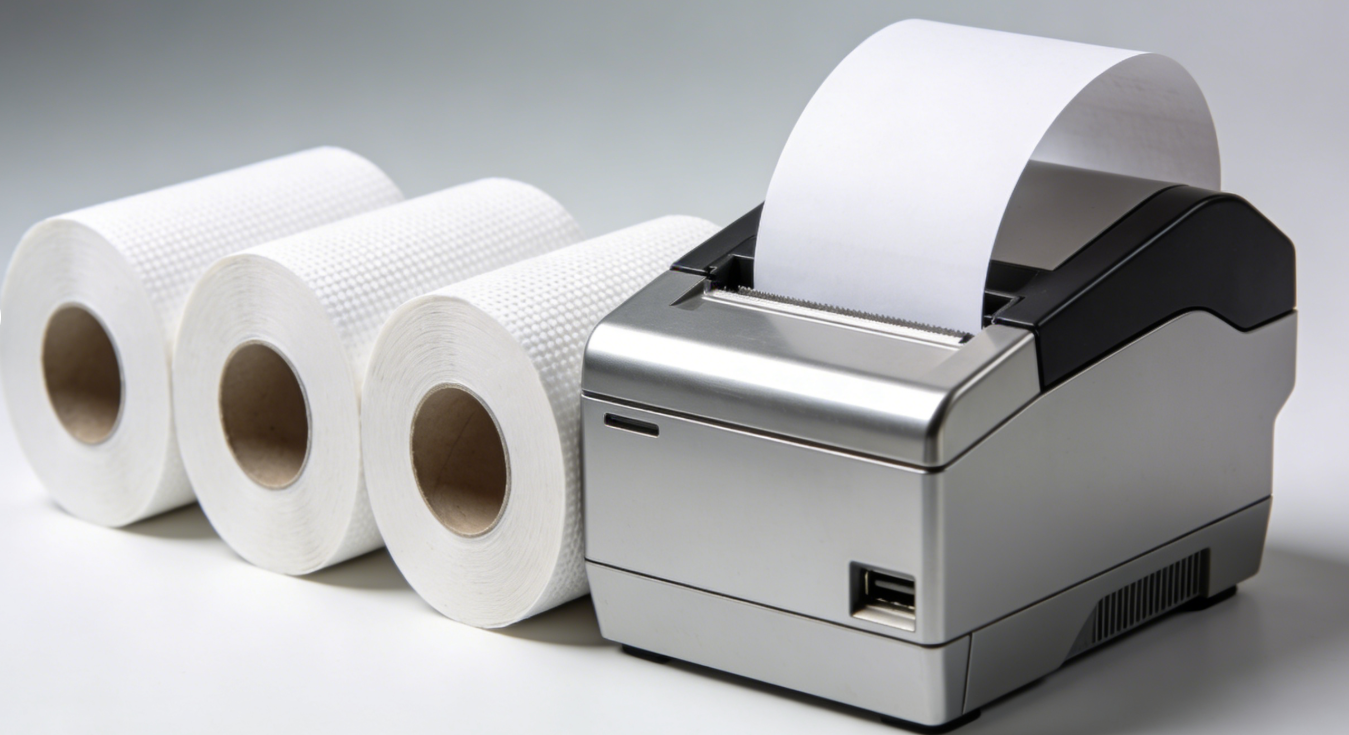
In the era of digital commerce, thermal printing technology has become the backbone of retail, logistics, catering, and healthcare industries. As we elaborated in our previous report Do Thermal Printers Need Ink? The Truth You Must Know in 2026, thermal printers do not require ink, toner, or ribbons, and their only core consumable is matching thermal paper. However, a large number of users still have a key confusion: Is thermal paper the same as receipt paper? Today, we will give a professional and comprehensive answer to this question, and sort out the full guide for consumable selection.
The short and clear answer is: Thermal paper is NOT the same as receipt paper, and the two are in an inclusive and included relationship. Receipt paper is a common sub-category of thermal paper, but not all thermal paper is receipt paper; meanwhile, not all receipt paper on the market is made of thermal paper.
What Is Thermal Paper?
Thermal paper is a general term for a type of special coated paper. Its surface is coated with a heat-sensitive chemical layer (thermal coating), which will undergo a color-developing chemical reaction when heated by the thermal print head of a printer, thereby presenting clear text, barcodes, and patterns. It is the core medium for thermal printing technology, and its application range is extremely wide.
As a large category of printing media, thermal paper includes multiple sub-categories according to specifications, coating formula, size and usage scenarios, including but not limited to:
- Thermal receipt paper (cash register paper)
- Thermal shipping label paper (express waybill paper)
- Thermal adhesive label paper
- Medical thermal paper (for ECG, test reports)
- Lottery thermal paper, ticket thermal paper
What Is Receipt Paper?
Receipt paper, also known as cash register paper or receipt roll paper, is defined by its usage scenario: it is a roll paper specially used for printing transaction receipts, settlement vouchers, and small-format documents in cash register scenarios.
From the perspective of material and printing technology, receipt paper on the market is mainly divided into two categories:
- Thermal receipt paper: The most mainstream type on the market, accounting for more than 90% of the receipt paper share. It is made of thermal paper, matched with thermal receipt printers, and is widely used in supermarket cash registers, catering takeaway, convenience stores and other scenarios.
- Impact receipt paper: Also known as carbonless copy receipt paper, it is used for dot matrix printers, mostly in 2-ply or 3-ply specifications, and is used in scenarios where receipts need to be copied and stored for a long time, such as department stores and catering settlements.
This is the core reason why "receipt paper is not equal to thermal paper": a small part of receipt paper is carbonless copy paper for dot matrix printers, which has nothing to do with thermal paper and thermal printing technology.
| Dimension | Thermal Paper | Receipt Paper |
|---|---|---|
| Category Definition | General term for a large category of printing media, defined by material and printing principle | A sub-category of printing paper, defined by usage scenario |
| Scope of Application | Extremely wide, including retail, logistics, medical, ticketing, office labeling and other scenarios | Single, only for cash register receipt printing scenarios |
| Specification Form | Diversified, including roll paper, fan-fold paper, single sheet, adhesive and non-adhesive types | Single form, almost all small-diameter roll paper, fixed width specifications (57mm, 80mm are the mainstream) |
| Material Type | Only thermal coated paper, exclusive for thermal printers | Two types: thermal paper and carbonless copy paper, compatible with thermal printers and dot matrix printers |
2026 Purchasing Tips for Thermal Paper & Receipt Paper
-
Match the printer model first: Confirm whether your printer is a thermal printer or a dot matrix printer. As we mentioned in Do Thermal Printers Need Ink? The Truth You Must Know in 2026, thermal printers only support thermal paper, and cannot use carbonless copy receipt paper.
-
Choose the right specification: For receipt printing, confirm the paper width supported by the printer (57mm and 80mm are the most common); for other scenarios such as labeling and logistics, choose the corresponding size of thermal label paper.
-
Select the coating grade according to the storage time: Ordinary thermal receipt paper is suitable for short-term storage (3-6 months); if you need long-term storage, choose high-grade long-acting thermal paper, or switch to thermal transfer printing solutions.
Thermal paper and receipt paper are not the same. Thermal paper is a general term for a large category of thermal printing media, and receipt paper is only a sub-category of it. Most of the mainstream receipt paper on the market is made of thermal paper, but there are also non-thermal receipt paper for dot matrix printers. Clarifying the difference between the two can help you avoid mismatched consumables, reduce printing costs, and extend the service life of your printer.
Comments