
Do Thermal Printers Need Ink? The Truth You Must Know in 2026
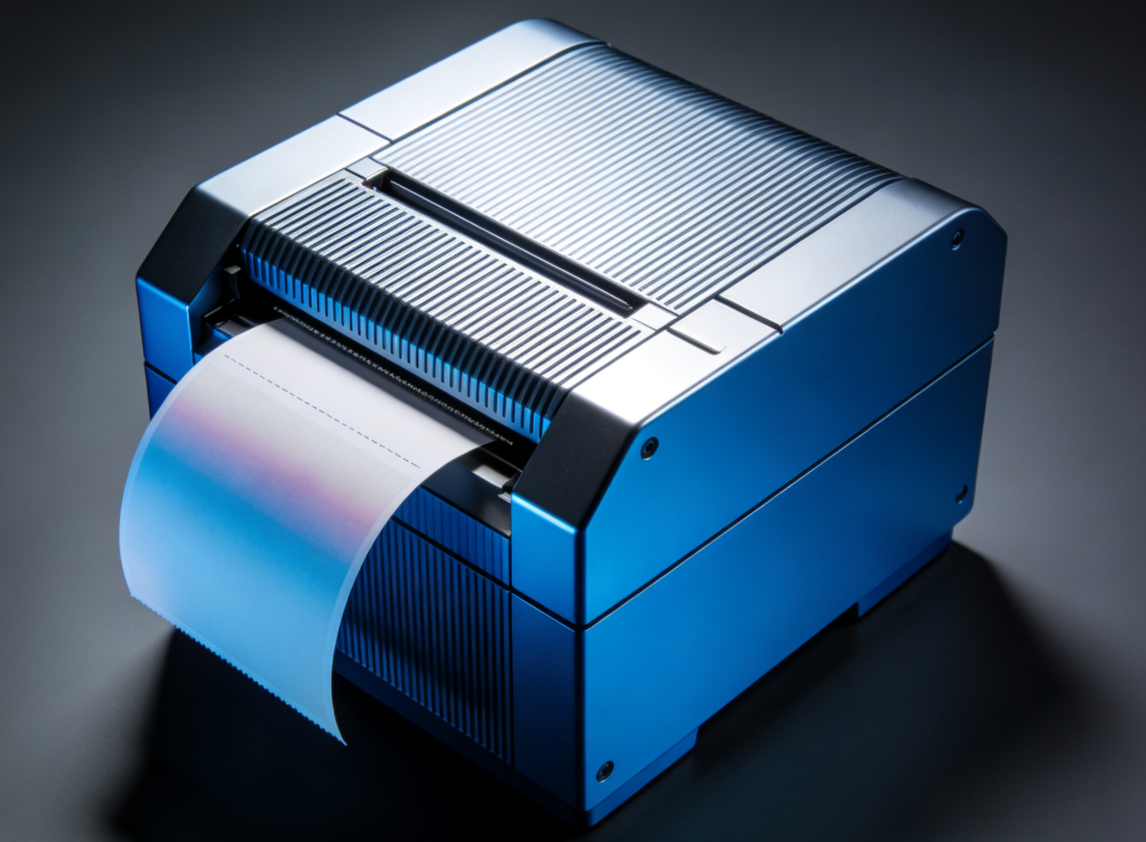
In the era of rapid digitalization, thermal printers have become an indispensable tool in various fields such as retail, logistics, medical care, and home office. However, one question has been confusing many users: Do thermal printers need ink? Today, we will thoroughly unravel this puzzle, explain the working principle of thermal printers, and help you understand the core advantages and usage precautions of this type of printer, so as to make more rational choices when purchasing and using it. First of all, the answer to the core question is clear: Thermal printers do not need ink. Different from traditional inkjet printers or laser printers that rely on ink, toner, or other consumables to present images and text, thermal printers rely on a special thermal printing technology to complete printing, which fundamentally eliminates the need for ink and other consumables. To understand why thermal printers do not need ink, we must first understand their working principle. Thermal printers are equipped with a thermal print head inside, which contains numerous tiny heating elements. When the printer is working, the print head will heat up according to the preset digital signals, and the thermal paper (a special paper coated with thermal-sensitive coating) in contact with it will undergo a chemical reaction under high temperature, presenting clear black text, patterns, or barcodes. In this process, the thermal coating on the thermal paper is the key to presenting the content, and no additional ink, toner, or ribbon (some thermal transfer printers need ribbons, but they are not ink) is required. It is worth noting that many users will confuse thermal printers with thermal transfer printers, and even think that thermal printers need ribbons (which are mistaken for ink). In fact, there is a clear difference between the two: ordinary direct thermal printers (the most common type in daily life, such as receipt printers in supermarkets, express waybill printers) do not need any consumables except thermal paper; while thermal transfer printers need to use ribbons to transfer ink to the printing medium, but the ribbons here are not traditional liquid ink, and their usage scenario is more for occasions that require long-term preservation of printed content (such as product labels, industrial labels). The advantage of not needing ink is one of the important reasons why thermal printers are widely used. First of all, it greatly reduces the use cost. Users only need to replace the thermal paper regularly, which is much cheaper than purchasing ink cartridges or toner. Secondly, it is more convenient to use. There is no need to worry about ink leakage, ink shortage, or other problems, and the maintenance process is simpler. In addition, thermal printers have the characteristics of fast printing speed and low noise, which are very suitable for scenarios that require high efficiency, such as supermarkets, express stations, and hospitals. However, while enjoying the convenience brought by thermal printers, users also need to pay attention to some usage details. Since thermal printing relies on thermal paper, the printed content is easily affected by temperature and light. If it is placed in a high-temperature, high-humidity, or strong light environment for a long time, the text and patterns will fade gradually, which is not suitable for long-term preservation of documents. Therefore, if you need to print materials that need to be stored for a long time (such as official documents, archives), it is recommended to choose a thermal transfer printer or a traditional inkjet/laser printer. With the continuous progress of technology, thermal printers are constantly upgrading, and their application scenarios are becoming more and more extensive. From the small receipt printer in the convenience store to the large-scale logistics waybill printer, from the home label printer to the medical test report printer, thermal printers have penetrated into every corner of our life and work. For ordinary users, understanding that "thermal printers do not need ink" can help avoid unnecessary misunderstandings when purchasing, and choose the most suitable printing equipment according to their own needs. In summary, thermal printers rely on thermal-sensitive technology and thermal paper to complete printing, and do not need ink or other consumables. This feature makes them have obvious advantages in cost and convenience, and is very suitable for scenarios that require fast printing and low cost. However, it should be noted that the thermal printing effect is not suitable for long-term preservation. When choosing a printer, you should combine your own usage needs to make a reasonable choice.
Comments