
BPA-Free Thermal Paper: 2026 Global Regulatory Updates & Full Market Guide
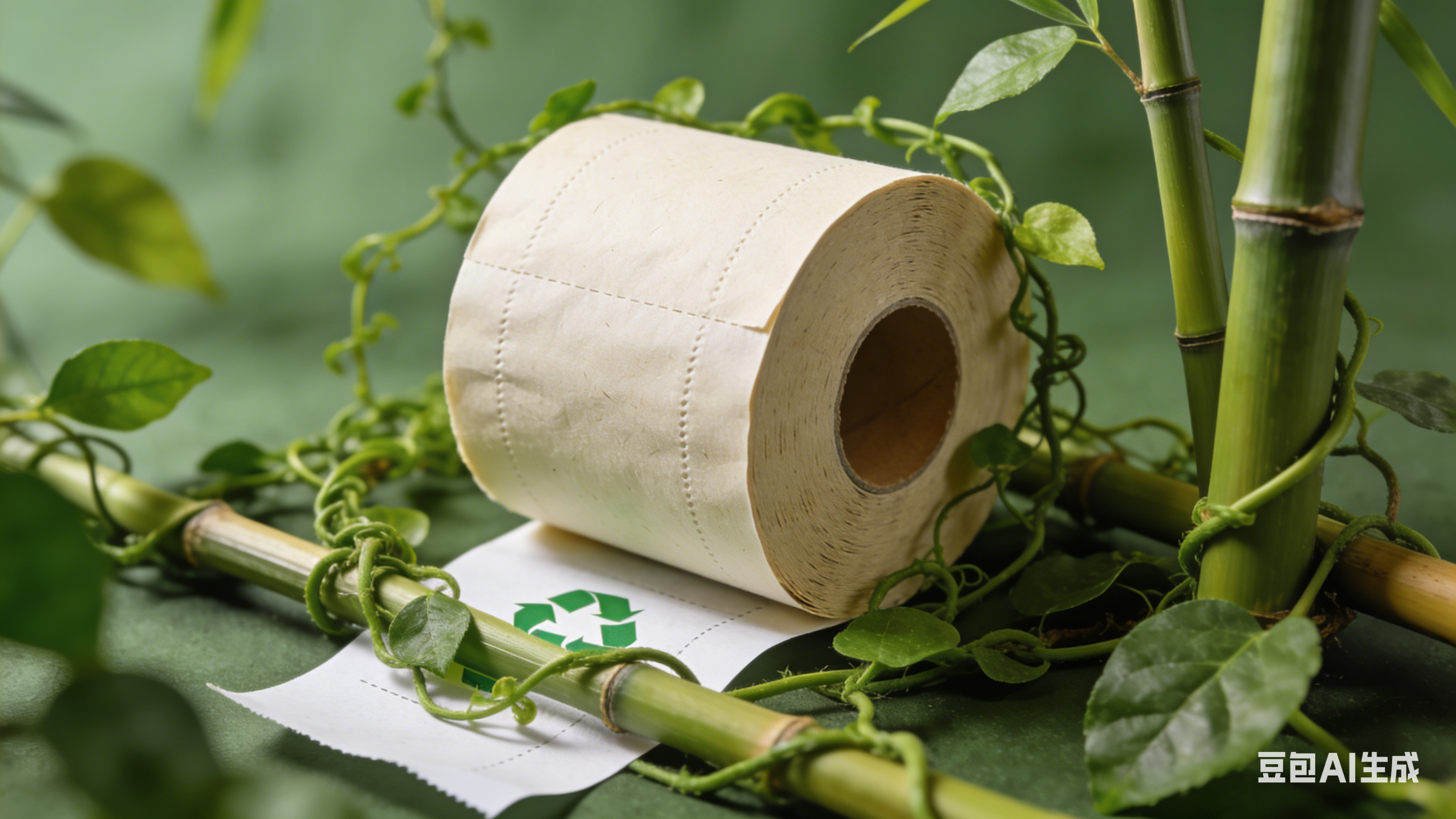
As we detailed in our previous series of reports, thermal printing technology has become the core infrastructure of global retail, logistics, catering and medical industries with its advantages of no need for ink, high efficiency and low cost. However, in 2026, the biggest change sweeping the global thermal printing industry is the full implementation of restrictive regulations on bisphenol substances represented by BPA in thermal paper, and BPA-free (phenol-free) thermal paper has rapidly become the most concerned hot topic in the industry and the market.
From Washington State in the U.S. officially banning the sale of thermal paper with intentionally added bisphenol substances from January 1, 2026, to the EU's stricter control on the content of harmful substances in thermal paper, and the continuous growth of global market demand for eco-friendly thermal paper, this article will give a comprehensive and professional interpretation of this industry hotspot, and help enterprises and users fully grasp the compliance requirements and purchasing essentials in 2026.
Bisphenol A (BPA) is a chemical substance once widely used in the thermal coating of thermal paper, which acts as a color developer. However, a large number of studies have confirmed that BPA is an endocrine disrupting substance, which can be absorbed by the human body through skin contact, and may bring potential risks to human health, especially for infants and young children, pregnant women and other sensitive groups.
In recent years, countries around the world have successively introduced strict regulations to restrict the use of BPA and its substitutes (such as BPS) in thermal paper. In 2026, this round of regulatory upgrading has entered a full implementation stage, which has become the biggest driving force for the transformation of the global thermal paper industry.
What Is BPA-Free Thermal Paper?
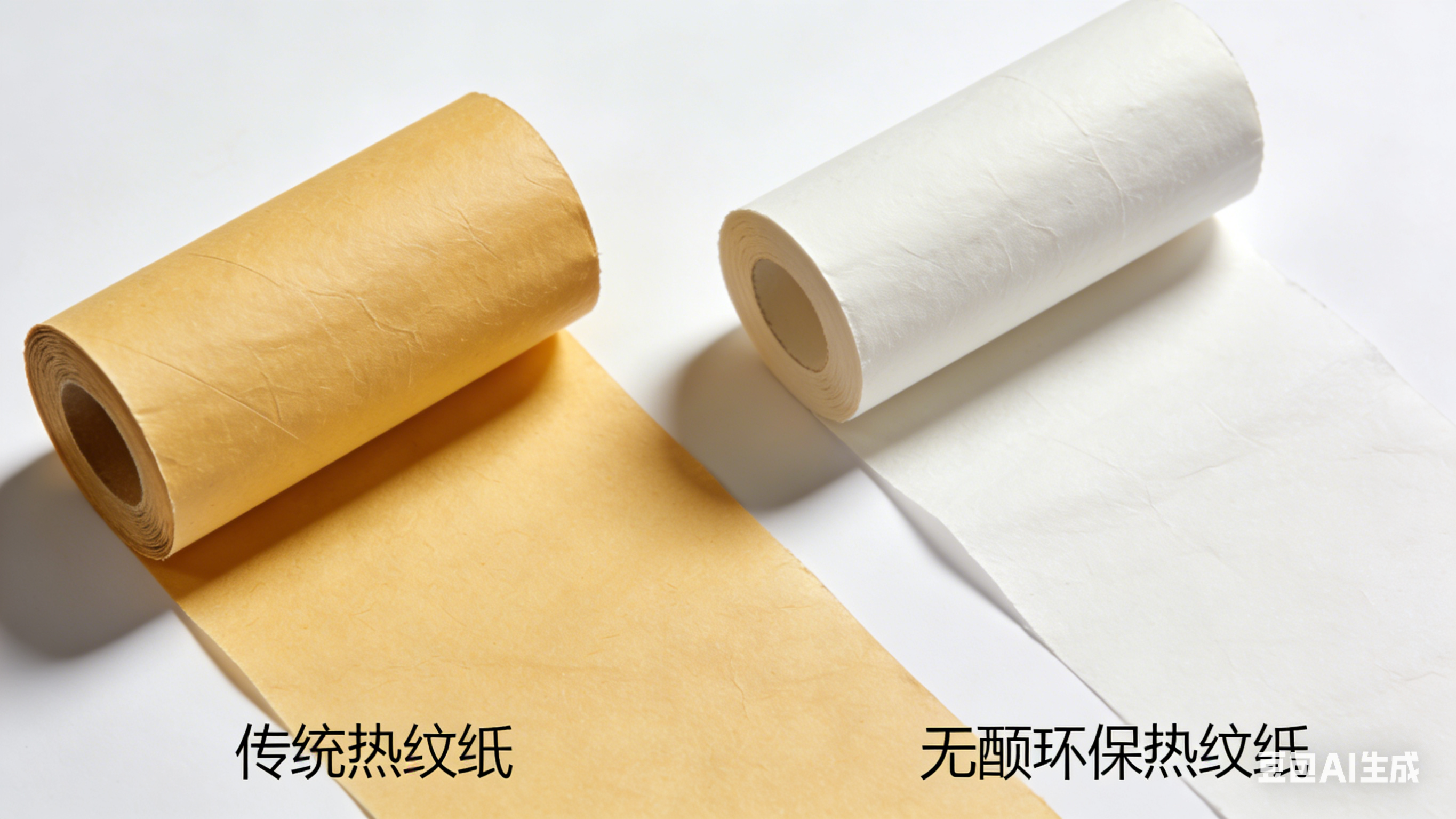
BPA-free thermal paper, also known as phenol-free thermal paper, is a new type of thermal paper that uses non-toxic, non-bisphenol chemical formulations to replace traditional BPA/BPS color developers in the thermal coating. While retaining the core thermal printing performance, it completely eliminates the risk of bisphenol substance exposure, and meets the latest regulatory requirements of various countries around the world.
At present, the mainstream BPA-free thermal paper on the market is mainly divided into two categories:
- Eco-friendly bio-based thermal paper: Using renewable materials such as lignin and agricultural waste as the base material and coating raw materials, it is not only phenol-free, but also biodegradable, which is in line with the global ESG development trend.
- High-performance phenol-free thermal paper: Using a new type of non-phenol color developer formula, it has the same or even better printing clarity and storage stability than traditional thermal paper, and is suitable for high-demand scenarios such as logistics labels, medical records and long-term document storage.
2026 Key Global Regulatory Updates for Thermal Paper
| Region | Regulatory Content | Effective Date |
|---|---|---|
| Washington State, USA | Prohibits the sale, distribution and manufacture of thermal paper with intentionally added bisphenol substances; the concentration exceeding 200ppm is deemed intentional addition | January 1, 2026 |
| European Union | The maximum limit of BPA content in thermal paper is 200mg/kg; it is included in the REACH regulation high concern substance list, and the whole supply chain traceability is required | Already in force, with stricter enforcement in 2026 |
| Canada | Imposed anti-dumping and countervailing duties of up to 359.1% on thermal paper rolls originating in China, with a validity period of 5 years | January 2026 |
| China | GB/T 39498-2020 guideline clearly controls the use of key chemical substances in consumer goods, and encourages the production and use of BPA-free thermal paper | Already in force, with upgraded market supervision in 2026 |
Core Advantages of BPA-Free Thermal Paper
-
Fully compliant with global regulations: For cross-border e-commerce, export enterprises and chain retail brands, using BPA-free thermal paper can fully meet the regulatory requirements of major global economies, avoid legal risks and product recalls caused by non-compliance.
-
Safer for human contact: It completely eliminates the risk of bisphenol substance exposure, which is especially suitable for scenarios with frequent human contact such as supermarket receipts, catering takeaway orders, and retail price tags, and better protects the health of employees and consumers.
-
Eco-friendly and sustainable: Most BPA-free thermal paper products are compatible with recyclable and biodegradable solutions, which can help enterprises reduce their carbon footprint, meet ESG strategic goals, and enhance brand credibility.
-
Stable and reliable printing performance: The new generation of phenol-free formula has broken through the technical bottleneck, and the printing clarity, high temperature resistance, light resistance and storage time are significantly better than traditional thermal paper, and it is fully compatible with all mainstream thermal printers on the market.
2026 Compliance & Purchasing Tips
-
Confirm compliance certification first: Prioritize thermal paper products that have passed EU REACH certification, FDA food contact safety certification, and relevant national regulatory testing, and require suppliers to provide a complete BPA-free test report.
-
Match the application scenario: For short-term receipt printing scenarios such as cash registers and takeaways, choose ordinary BPA-free receipt paper; for logistics labels, medical records and other scenarios that require long-term storage, choose high-performance long-acting phenol-free thermal paper.
-
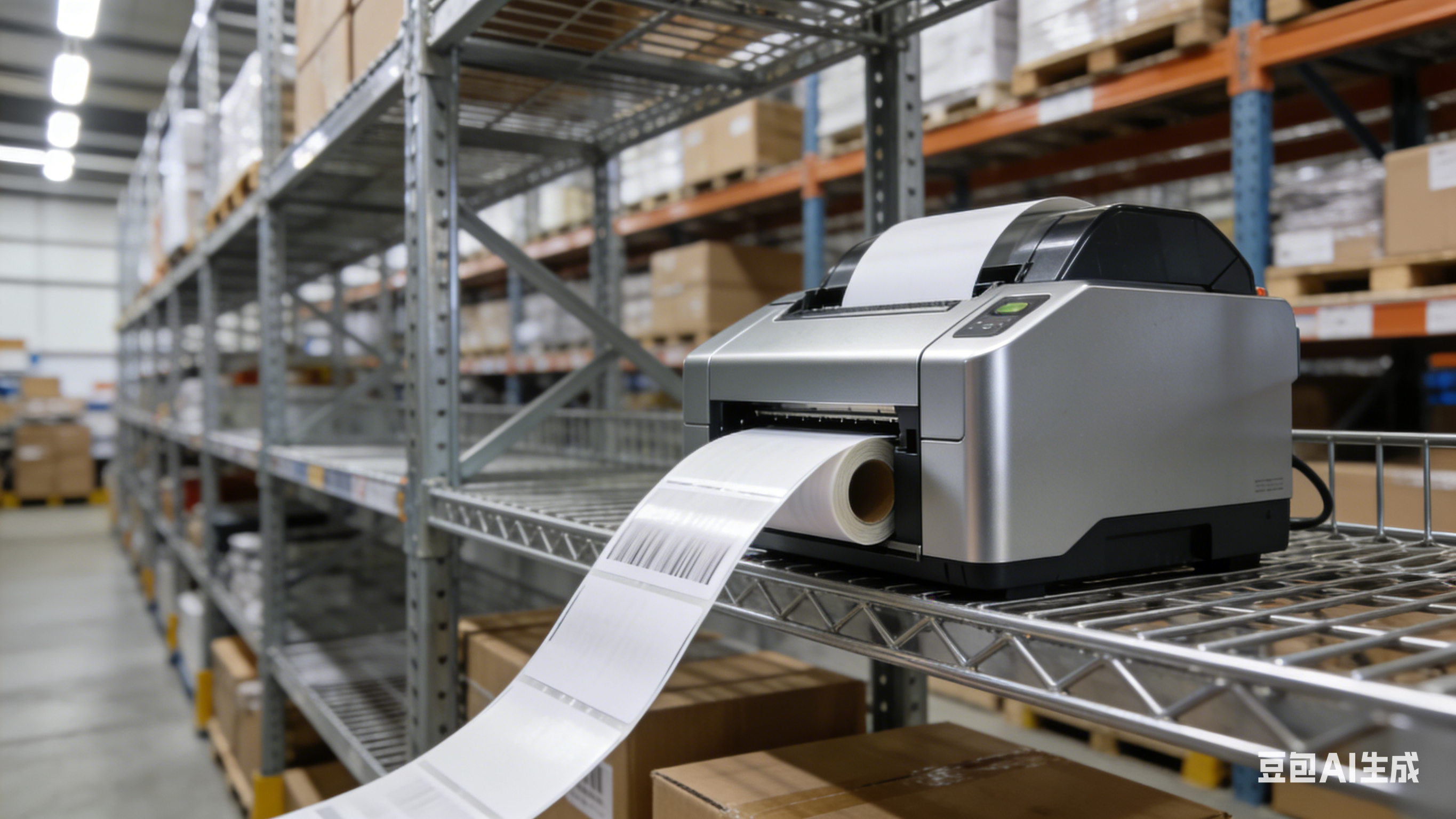
Compatible with printer equipment: As we mentioned in our previous report, all mainstream thermal printers can be fully compatible with BPA-free thermal paper, no need to replace the equipment, and there will be no problems such as unclear printing or damage to the print head.
-
Pay attention to the sustainability of the supply chain: For large-scale procurement, it is recommended to choose suppliers with a complete green production system to ensure the stability of product quality and compliance, and avoid the impact of raw material price fluctuations and tariff policy changes.
In 2026, the full implementation of global bisphenol restriction regulations has made BPA-free thermal paper the absolute mainstream of the thermal printing industry. It is not only a necessary choice for enterprises to comply with global regulations, but also an important direction for the industry to move towards safe, green and sustainable development.
For enterprises and individual users, choosing qualified BPA-free thermal paper can not only avoid compliance risks, but also provide a safer use experience. At the same time, combined with our previous series of reports, we have fully sorted out the core knowledge of thermal printer working principle, consumable classification, safety compliance and other aspects, helping you fully grasp the key points of selection and use of thermal printing equipment and consumables in 2026.
Comments